
How to Optimize Your Website for Voice Search: A Local Guide
In today’s fast-paced digital landscape, voice search is rapidly changing the way consumers find information online. As a business owner in Westerly, RI, and surrounding towns like Mystic CT, Stonington CT, and Pawcatuck CT, understanding how to optimize your website for voice search is crucial for staying competitive. At XC Media Design, we specialize in web design and digital marketing strategies that cater to local businesses. In this comprehensive guide, we will explore practical tips to help you optimize your website for voice search, enhance your local SEO, and connect more effectively with your audience.
Understanding Voice Search
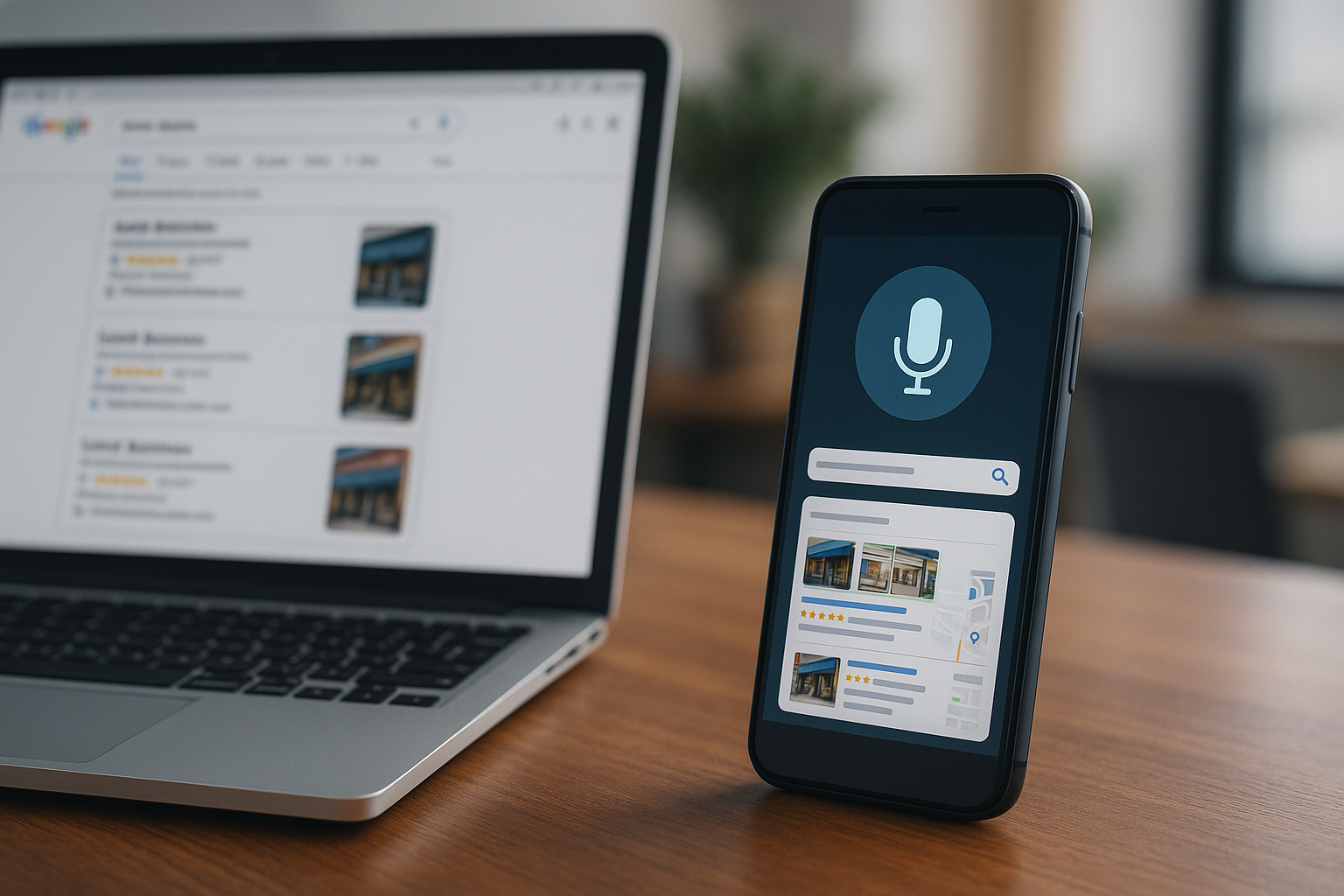
Voice search allows users to perform searches using voice commands instead of typing. With the rise of smart speakers like Amazon Alexa and Google Home, along with the voice search features on mobile devices, this trend is only expected to grow. By 2024, it’s estimated that over 50% of all searches will be conducted through voice.
Why Voice Search Matters for Local Businesses
For businesses in Westerly, Rhode Island, and nearby areas like Charlestown RI and South Kingstown RI, optimizing for voice search is essential. Consumers increasingly rely on voice search for finding local services and products. Here’s why:
- Convenience: Voice search offers a hands-free way to find information, making it easier for customers on the go.
- Local Intent: Many voice searches have local intent, meaning users are looking for businesses nearby.
- Quick Responses: Voice search provides immediate answers, making it critical for your business to be optimized for these queries.
Key Steps to Optimize Your Website for Voice Search
1. Focus on Local SEO
Optimizing for voice search starts with a strong local SEO strategy. Ensure your business is listed accurately on Google My Business and other local directories. Include your business name, address, phone number, and service areas like Newport RI, New London CT, and Groton CT.
Additionally, use local keywords in your content. For example, phrases like “best pizza in Westerly RI” or “plumbing services in Mystic CT” are great for targeting local voice search queries.
2. Use Conversational Language
Voice searches are often phrased as natural language questions. Optimize your content by incorporating conversational phrases and questions that users might ask. For instance:
- “What are the best restaurants in Westerly, RI?”
- “How can I find a web designer in Connecticut?”
- “Where can I buy handmade crafts in Pawcatuck CT?”
By anticipating these questions, you can create content that directly answers them, improving your chances of being featured in voice search results.
3. Optimize for Featured Snippets
Featured snippets are those boxed information that appears at the top of Google’s search results. They often provide concise answers to user queries and are commonly read aloud by voice assistants. To optimize for featured snippets:
- Use clear, concise answers to common questions in your content.
- Utilize bullet points or numbered lists for easy readability.
- Incorporate relevant keywords and phrases naturally.
By doing this, your content stands a better chance of being selected for voice search responses.
4. Improve Page Load Speed
Voice search users expect quick responses. If your website takes too long to load, users may become frustrated and leave your site. Here are a few tips to enhance your page load speed:
- Optimize images and use proper formats like JPEG for photos and PNG for graphics.
- Minimize HTTP requests by reducing the number of elements on each page.
- Utilize browser caching to store some data locally on users’ devices.
Faster load times not only improve user experience but also positively impact your SEO rankings.
5. Create a Mobile-Friendly Website
Since many voice searches are conducted on mobile devices, having a responsive website is essential. Ensure that your website is mobile-friendly by:
- Using responsive design techniques to adapt to various screen sizes.
- Ensuring all buttons and links are easily clickable on touch screens.
- Maintaining readable fonts and adequate spacing for mobile users.
A mobile-friendly site enhances user experience and boosts your rankings in search results.
6. Implement Schema Markup
Schema markup helps search engines understand the context of your content. By using structured data, you can enhance the chances of your website being featured in voice search results. Implement schema markup for:
- Local business information
- Product listings
- Event details
Utilizing schema markup can improve your visibility in search results, attracting more local customers to your business.
7. Focus on Quality Content
Creating high-quality, informative content is fundamental to optimizing for voice search. Content that addresses your audience’s needs not only attracts visitors but also encourages them to stay on your site longer. Consider:
- Writing blog posts that answer common questions in your industry.
- Creating how-to guides related to your services.
- Producing videos that explain your products or services.
Regularly updating your content keeps your website fresh and relevant, which is crucial for local SEO.
Conclusion
Optimizing your website for voice search is no longer optional; it’s a necessity for businesses in Westerly, RI, and surrounding areas. By following these practical tips, you can enhance your visibility in local search results and connect more effectively with your audience. At XC Media Design, we’re dedicated to helping local businesses thrive in the digital landscape. Whether you need a new website design or expert SEO services, we’ve got you covered.
Ready to take your online presence to the next level? Contact XC Media Design at 401.315.8338 today for a consultation!
Meet the author


